Designing the Future of Learning with AI
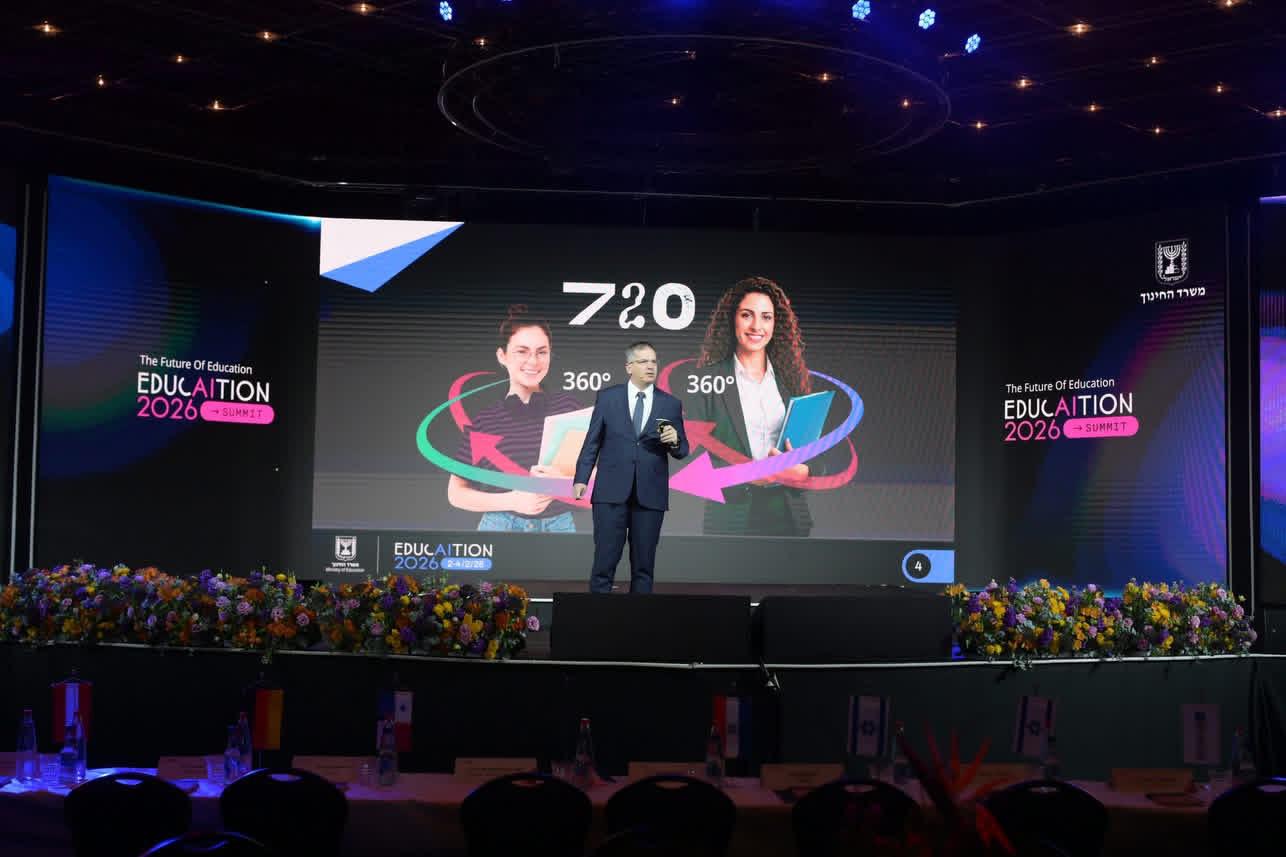
In early February 2026, between the 2nd and 4th of the month, Jerusalem became a meeting point for a global conversation that feels more urgent than ever: how do we ensure that artificial intelligence strengthens education in ways that are meaningful, responsible, and truly learner-centered?
With around 500 representatives from high-tech, academia, and government, over 250 exhibitors and showcases, and approximately 45,000 participants overall, the event created a powerful sense of shared purpose around one central question—how can we integrate AI in education in a smart, balanced way that enables every learner to reach their full potential?
What made this experience particularly meaningful was the strong connection between vision and practice. Alongside the international conference, the exhibition spaces showcased a vibrant ecosystem of innovation, including a gaming in education hub where immersive environments made learning more engaging and relevant while fostering future-ready competencies, as well as a dedicated space for integrated STEM that demonstrated the power of interdisciplinary learning. Across the exhibition, diverse local initiatives translated innovative pedagogy into practical, scalable solutions, reflecting a clear shift toward active, competency-based learning.
At the international level, representatives from around 30 countries engaged in a shared dialogue on the role of AI in education and signed a joint declaration promoting its responsible and ethical use, reinforcing the need to guide innovation with human-centered values.
For me, the conference reinforced the importance of grounding innovation in pedagogy, strengthening ecosystems and partnerships, and advancing AI literacy and responsibility. It also emphasized the role of gaming in education as a key component of this evolving pedagogy, enhancing relevance, engagement, and the development of future-ready competencies, while reminding us that the future of education is already taking shape—and must remain inclusive, ethical, and empowering for every learner.
Author: Karina Batat