Innovation Lab at the Directorate for Digital Literacy and Transversal Skills
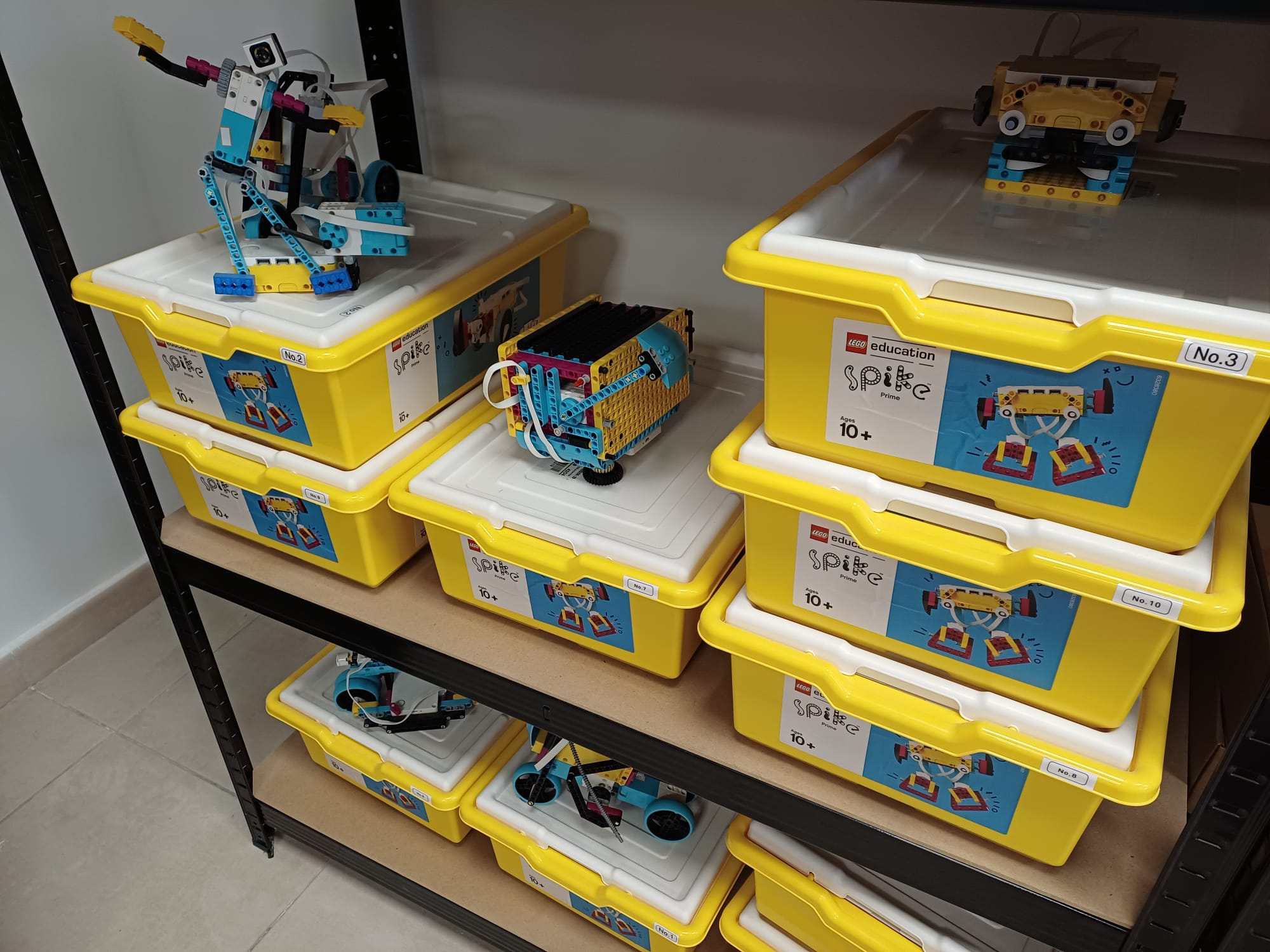
In line with our ongoing mission to remain at the forefront of emerging educational technologies, significant investment has been directed towards the upgrade and expansion of the Innovation Lab at the Directorate for Digital Literacy and Transversal Skills. This initiative reflects our commitment to fostering a dynamic environment that supports experimentation, creativity, and the practical application of innovative digital tools in education.
As part of this upgrade, a wide range of new equipment and resources has been procured to enhance the Lab’s capacity and functionality. These additions are already being utilised by Directorate staff to support research, development, and innovation activities. Looking ahead, the upgraded facilities will also serve as a hub for professional learning workshops for school teachers, enabling educators to gain hands‑on experience with emerging technologies and innovative pedagogical approaches. This dual focus ensures that the Lab functions not only as an internal innovation space but also as a bridge between policy, practice, and classroom implementation.
The enhancement of the Innovation Lab has been further strengthened through our ongoing collaboration with various key players in the Ed Tech industry. These partnerships continue to play an important role in exposing the Directorate to cutting‑edge educational technologies emerging from international start‑ups and innovative ideas. As these collaborations continue to mature, selected technologies showcased through these collaborations have also found a permanent place within the Lab. One such example is the Tiny Farm, which represents innovative approaches to sustainability, STEM learning, and experiential education. The inclusion of such equipment ensures that the Lab remains responsive to global trends while maintaining relevance to local educational contexts.
In parallel with these developments, work was carried to finalise two key new spaces within the Innovation Lab: a dedicated podcast area and a fully equipped Maker Lab. These additions were designed to broaden the scope of the Lab and to support diverse forms of teaching, learning, and creative expression.
The podcast area was developed as a flexible and accessible space that can be used by a variety of schools. When it was completed, it provided students and educators with the opportunity to create high‑quality audio content, supporting initiatives related to digital storytelling, media literacy, communication skills, and student voice. This space will also continue to facilitate cross‑school collaboration and the sharing of educational experiences, projects, and best practices through digital media.
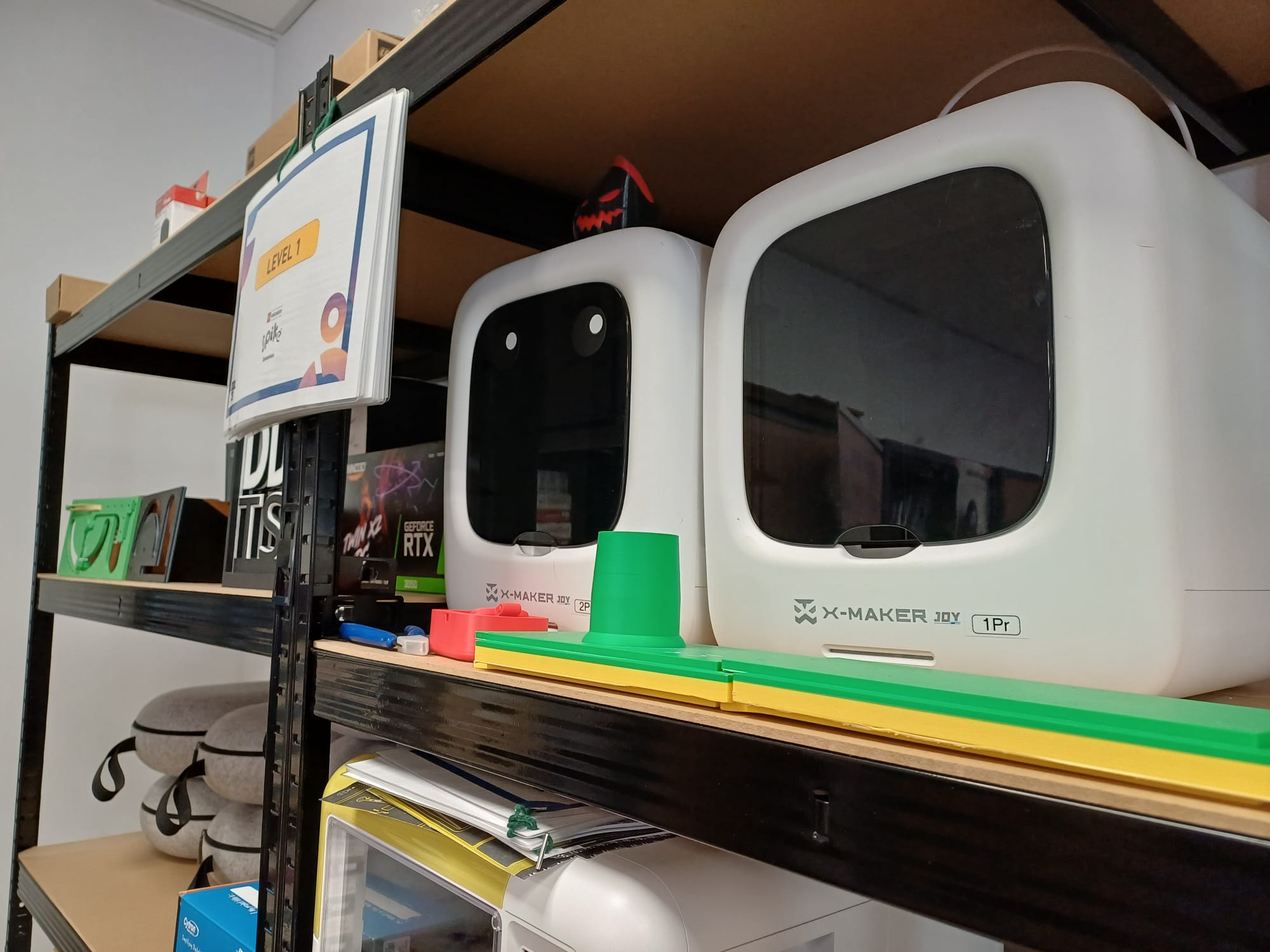
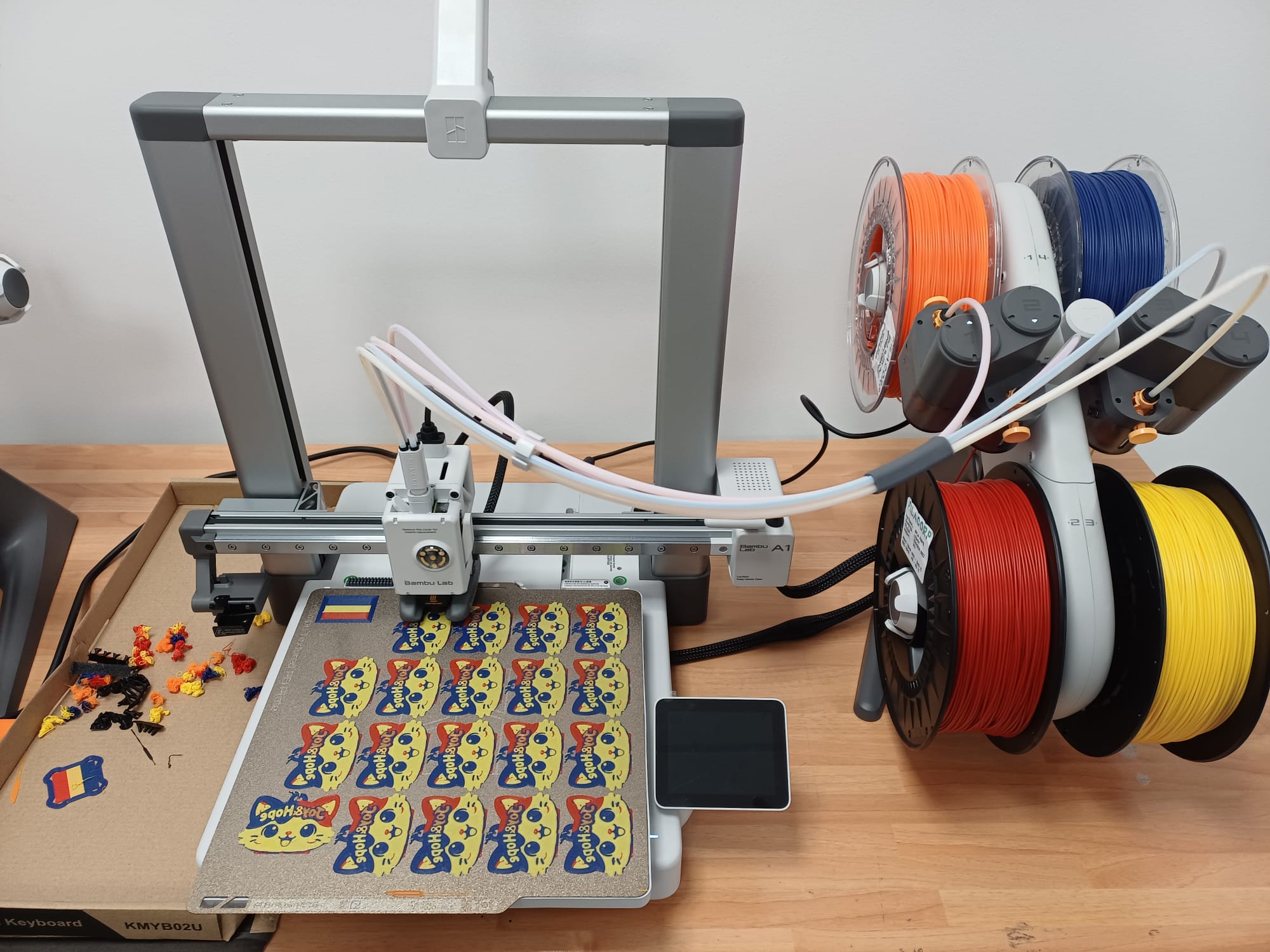
The Maker Lab represents a significant step forward in promoting hands‑on, project‑based learning across disciplines. Designed to accommodate a range of technologies and tools, the Maker Lab included various models of 3D printers, laser cutters, and fabrication tools. These resources will continue to enable students and teachers to move beyond conceptual learning, supporting the full creative process from initial idea and prototype development through to the production of final, tangible outcomes. The Maker Lab is intended to nurture innovation, problem‑solving, and design thinking, while also encouraging collaboration and experimentation.
Collectively, these upgrades reinforce the Innovation Lab’s role as a central pillar for educational innovation. By providing access to modern technologies, fostering partnerships with industry leaders, and creating spaces that encourage creativity and collaboration, the Lab is well positioned to support both current and future educational priorities. These developments underscore our commitment to empowering educators and learners alike, ensuring that schools are equipped to respond effectively to technological change and to prepare students for the demands of an increasingly digital and innovation‑driven society.