Meli Future Learning Lab: Flexible Spaces for an Innovative School
The Meli Future Learning Lab, officially inaugurated on 29 October 2025 at the Liceo Classico Internazionale Statale “Giovanni Meli” in Palermo and developed in collaboration with INDIRE, represents a centre for educational innovation in Sicily, designed to promote active methodologies, experimentation and training.
Conceived and created as an integrated system of flexible, modular and technologically advanced spaces, since the beginning of its activities it has been used both for teacher training and for diversified learning experiences involving students from our school and from other institutions.
For teachers, the Meli Future Learning Lab is a place for professional development, discussion and methodological co-design. For students, it is an environment where they can learn through experience, collaboration, creativity and the conscious use of technologies.
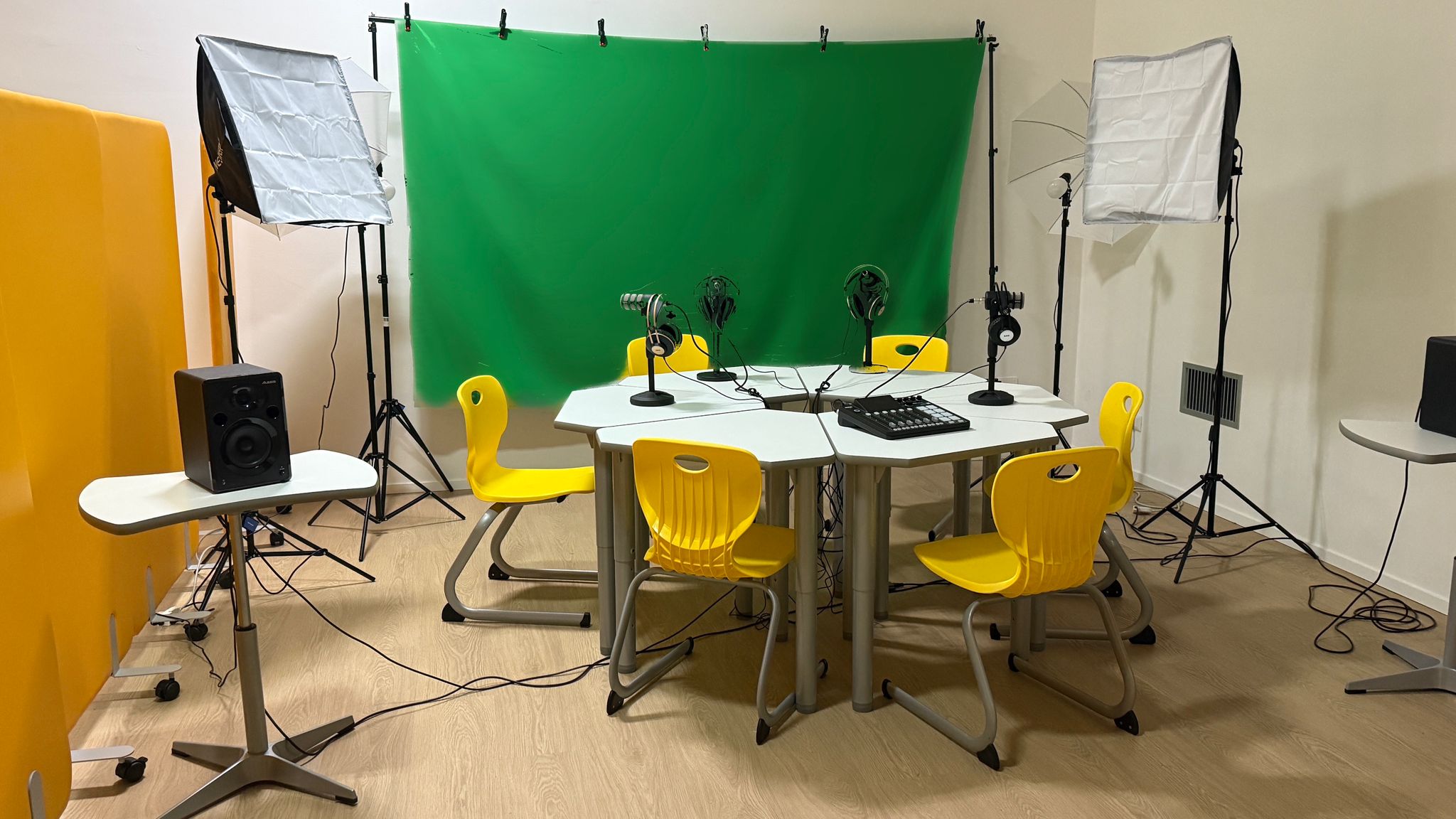
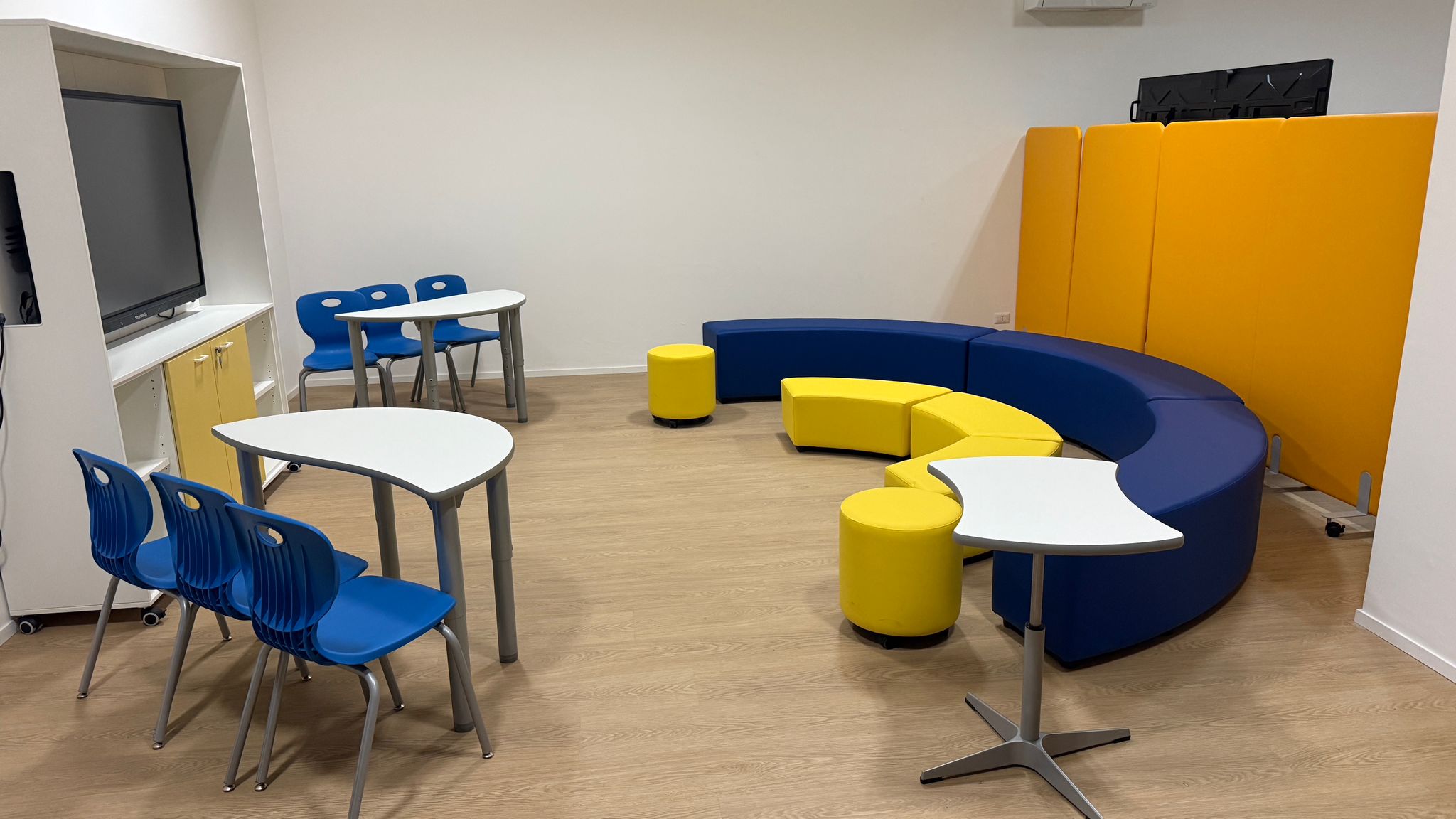
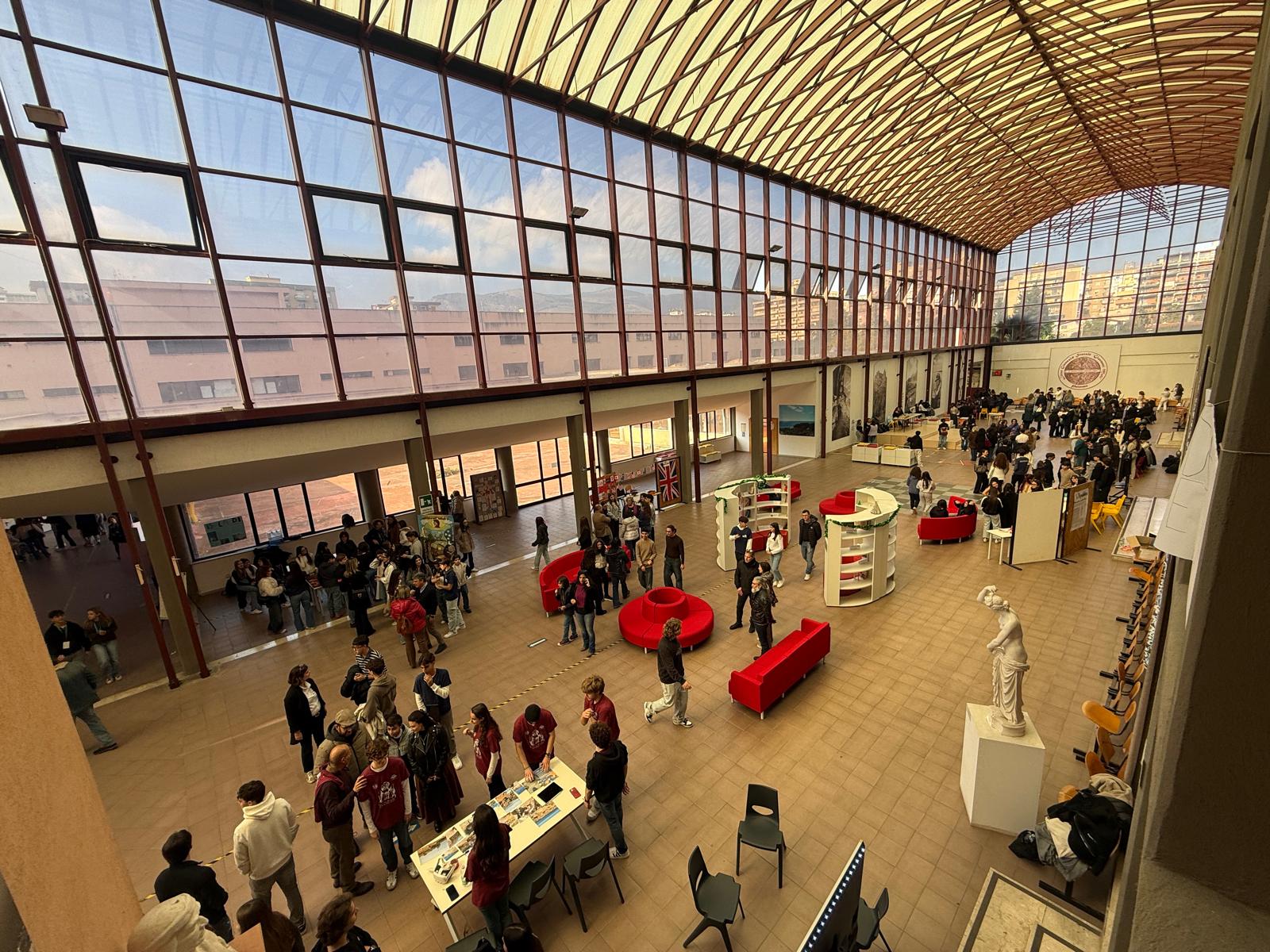
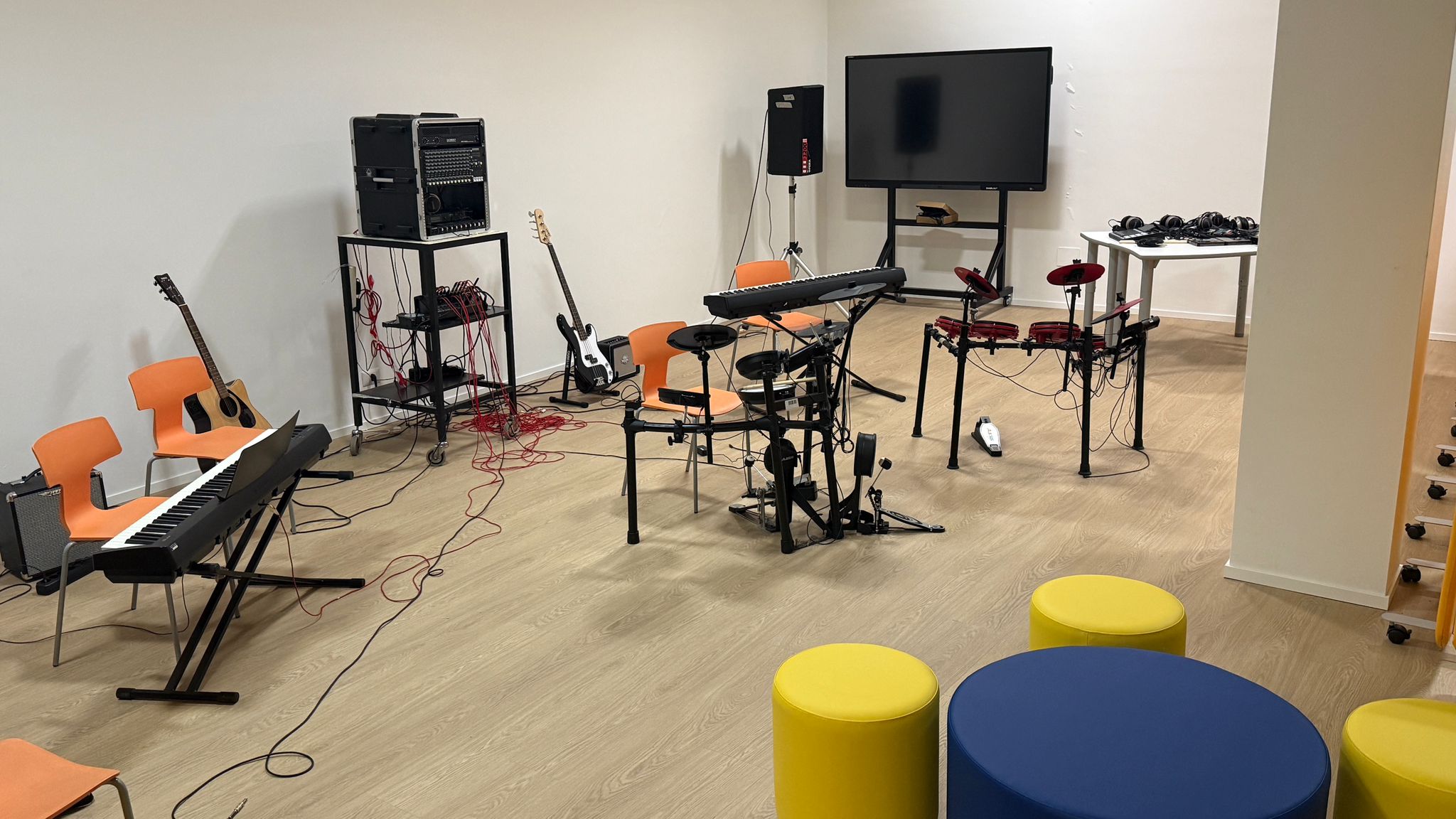
RoboLab, TechLab, SoundLab, DebateLab, Agorà, Informal Space and Aula Green make it possible to design interdisciplinary and participatory learning paths, continuously reshaping the environments and turning the Lab into a living space, capable of adapting to different educational, creative and communicative needs. A learning path may begin in the TechLab, develop in the RoboLab, be enriched in the SoundLab, be discussed in the DebateLab and finally be presented in the Agorà.
The flexibility of furniture and technologies allows the spaces to shift from more strictly educational uses to expressive, collaborative and performative modes: the same areas can host workshop-based lessons, cooperative work, debate activities, robotics experiences, multimedia productions, podcasts, exhibitions, events and theatrical or musical performances.
The launch of these activities confirms the vocation of the Liceo Meli as an open, innovative school in constant dialogue with the local community.
The Meli Future Learning Lab therefore stands as a space for learning, experimenting, creating and sharing, valuing tradition while looking ahead to the educational challenges of the future.
Author: Massimo Belardinelli