Vasa Teacher Training School Makerspace: Five Years of Creative Learning, Innovation and Wellbeing
Over the past five years, Vasa Teacher Training School has developed and integrated an open Makerspace environment that supports both formal learning and students’ own creative projects outside scheduled lessons. What began as an effort to reimagine traditional computer classrooms has evolved into a multifaceted learning ecosystem where technology, creativity, interdisciplinary collaboration, and student wellbeing intersect.
The project was originally launched as part of the Finnish FCLab network, with the goal of exploring how underutilized ICT facilities could be transformed into spaces that support future-oriented learning. Instead of focusing solely on digital consumption, the Makerspace was designed to encourage students to create, experiment, design, and solve authentic problems using both digital and physical tools.
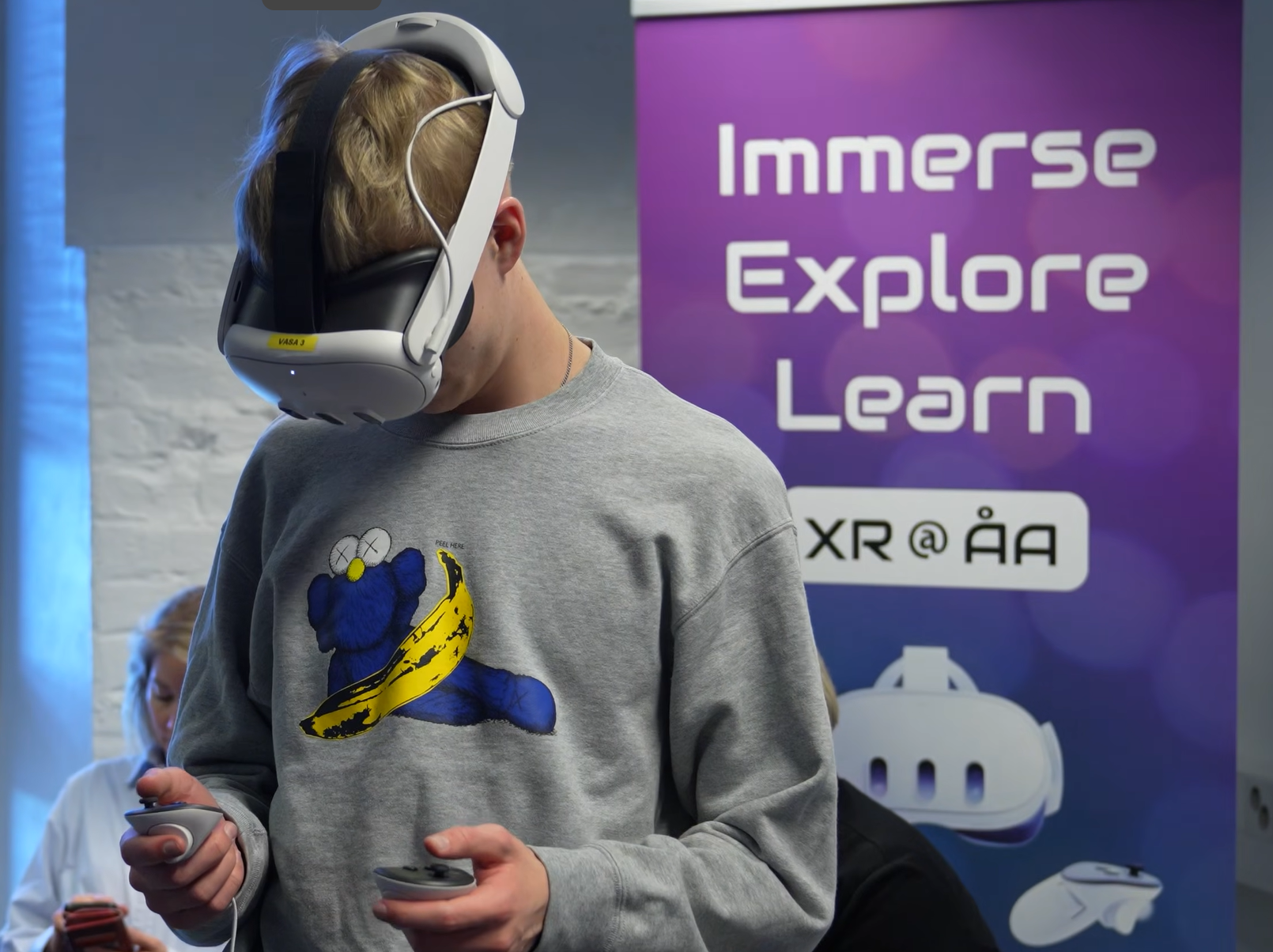
Today, the Makerspace consists of several interconnected learning environments. Students have access to 3D printers, laser cutters, programable electronics, a vinyl cutter, sewing machines, virtual reality headsets, a photography studio, and facilities for video and music production. These resources are used across a wide range of subjects, including visual arts, science, media studies, technology education, and interdisciplinary projects. The facilities support both curriculum-based learning and independent student initiatives. While some spaces are regularly used for teaching, they are also open for students during breaks, free periods, and after school, providing opportunities for self-directed exploration and creativity.
One of the central ideas behind the project has been to provide an alternative complement to the academic and theoretical nature of upper secondary education. The Makerspace offers students a place where they can work with their hands, express themselves creatively, and engage in learning without the pressure of assessment. Over the years, this has proven particularly valuable for student wellbeing. Many students describe the environment as calmer and more informal than traditional classrooms, allowing them to pursue personal interests, develop practical skills, and connect with peers through shared creative activities. The project has demonstrated that opportunities for making, designing, and creating can play an important role in supporting motivation, engagement, and overall wellbeing in school.
The Makerspace has also become a platform for pedagogical innovation. Teachers from different subject areas have collaborated to integrate emerging technologies into their teaching, particularly in areas such as digital fabrication, media production, and virtual and extended reality. VR technologies have been explored in visual arts, science education, and special education, while digital fabrication tools have enabled new forms of project-based and interdisciplinary learning. At the same time, the school has gained valuable experience in how open access to advanced technology can be managed responsibly and sustainably.
Documentation has been an important part of the project throughout its development. The accompanying video provides an authentic glimpse into how the Makerspace has become integrated into everyday school life, featuring reflections from both teachers and students. It highlights the role of the Makerspace not only in regular teaching and learning, but also during the school’s annual project week, a cross-curricular event held each spring that engages the entire school community. Together, these perspectives illustrate how access to creative technologies and open learning environments can foster curiosity, collaboration, and student agency across a variety of contexts.
Link to video: https://www.youtube.com/watch?v=wKMGBTGmJm4
Markus Norrby - Project leader, Vasa övningsskola/FCLab network, Finland
Artificial intelligence has been used to enhance this text